Safety, Security and Health

We’re committed to keeping you informed with practical tips on preventing accidents and clear steps to take during emergencies. But safety isn’t just our job, it’s a shared responsibility. The more people looking out for one another, the more effective we will be at protecting the community.

Stay alert, follow the guidelines, and take charge.

About Safety, Security and Health

Why Does This Matter?

null
It keeps everyone safe
Knowing how to stay safe protects you and helps keep your friends and the IMU community safe.

null
Early identification of hazards
Knowing your responsibilities and actions required make it easier to spot and prevent risks efficiently.
null
Encourages responsibility
Safety is a shared responsibility. Your actions and awareness help create a safer environment.
null
It is the law and it should protect you
IMU follows the Occupational Safety and Health (Amendment) 2022 (Act A1648) to ensure we are all protected on campus.
null
Builds a culture of care
A strong safety culture means we all look out for each other and responsibly in every situation.

Safety and Health Policy

IMU University Health and Safety Policy exists to protect people and create a safe and healthy environment. Please refer to the latest Safety and Health Policy below, endorsed in August 2024.

Safety Signages Around Campus

Kindly take note on the following signages that are noticeable within IMU compounds for your attention and responsibilities.

null
No Smoking
null
No Entry
null
No Food
null
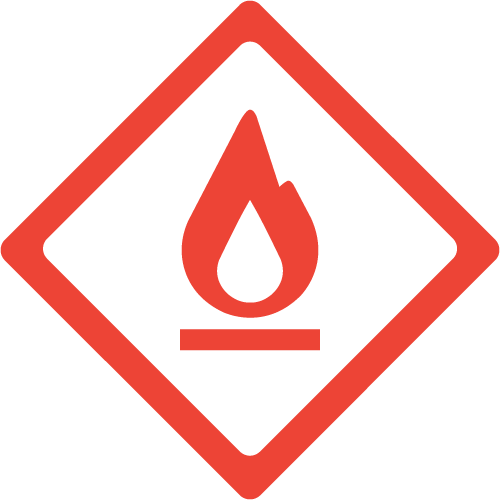
Flammable
null
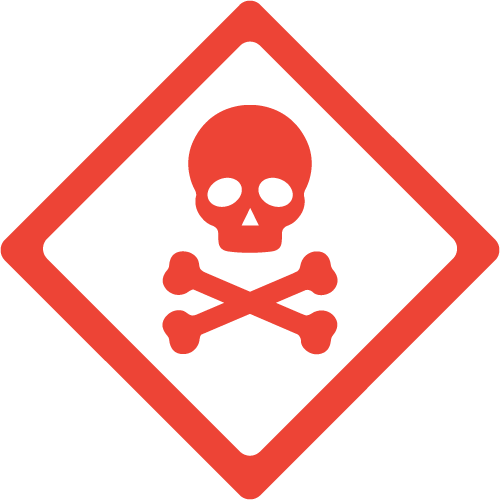
Toxicity
null
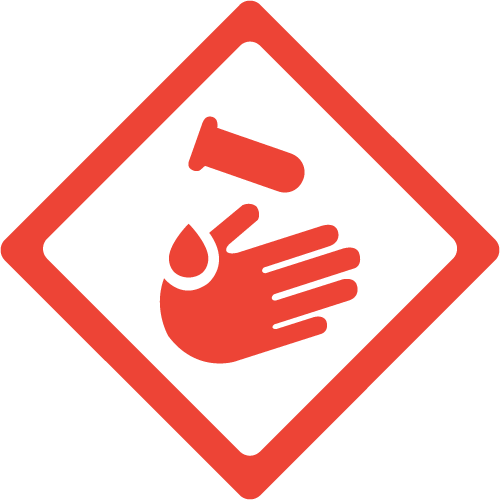
Corrosive
null
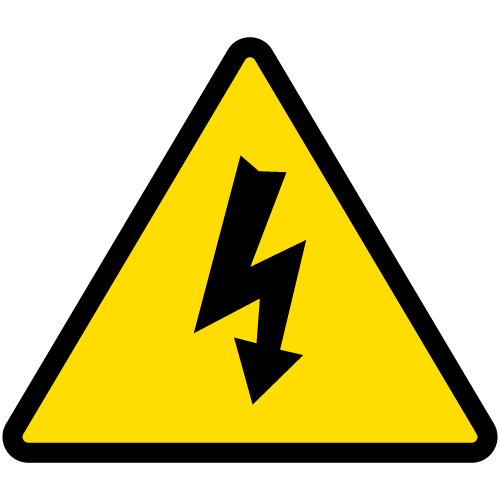
Electricity
null
Obstacles
null
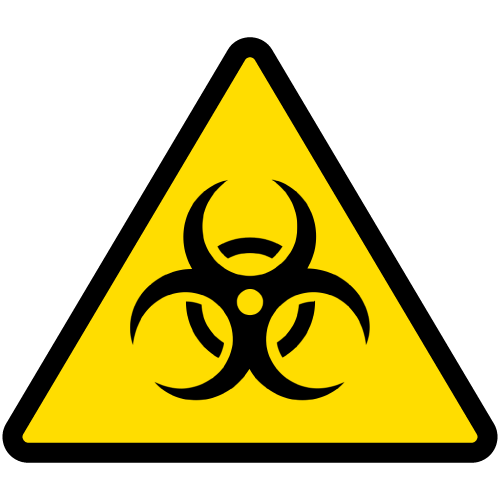
Biohazard

Your Roles and Responsibilities

It is important for students to remember that the safety and security of the University is the combined responsibility of the entire community. Safety is a two-way street, and the community must take precautions to protect itself.

Take Below Precautions for Your Own Safety

Dial 999 or 112 if you feel unsafe

Whether you’re scared, uncomfortable, or notice something suspicious, don’t hesitate, call 999 or 112 straight away. You’ll be connected to the police, ambulance, or fire services.

Lock up, always!

Whether you’re living at the IMU Hostel or in private accommodation, make sure your doors and windows are properly locked whenever you leave. Never prop open doors or disable the locks.

Don't leave your belongings unattended

It only takes a second for something to go missing. Keep an eye on your purse, wallet, bag, laptop, phone, or earbuds, even if you’re just stepping away for a moment, and even within the IMU campus.

Please note that IMU is not responsible for any loss resulting from personal negligence. Requests for CCTV access in such cases will not be entertained.

Think before holding the door

While it’s polite to open the door for others, don’t let in anyone you don’t recognise, especially into residential buildings. Avoid letting people “tailgate” or piggyback in behind you. If someone suspicious does enter, call 999 or 112.

Stick to well-lit paths

If you’re out after dark, walk along well-lit routes and try to travel in a group whenever possible.

Be alert with strangers

If someone approaches you asking for directions, money, or the time, stay at a safe distance. Don’t go near their car or get too close. If anything feels off, head towards a busy area and call 999 or 112.

Walk with confidence

Hold your head up and keep a firm grip on your belongings. Looking alert can be a strong deterrent.

Have your keys ready

Keep your keys in your hand when approaching your car or home, so you can get inside quickly and safely.

Other Responsibilities

Please ensure to comply with below expected roles and responsibilities:

  • null
    Comply with all Acts, standards, policies, procedures, and instructions in relation to safety and health.
  • null
    No discrimination against the staff who exercise their duty for the whole community’s safety and health.
  • null
    Take care of your own health and safety and others who may be affected by your actions.
  • null
    Wear the correct dress code and required personal protective equipment, whenever instructed and required.
  • null
    Keep your work area free of hazards.
  • null
    Report an incident or dangerous occurrence when you see any.

Guidelines on Unsafe Act and Unsafe Condition

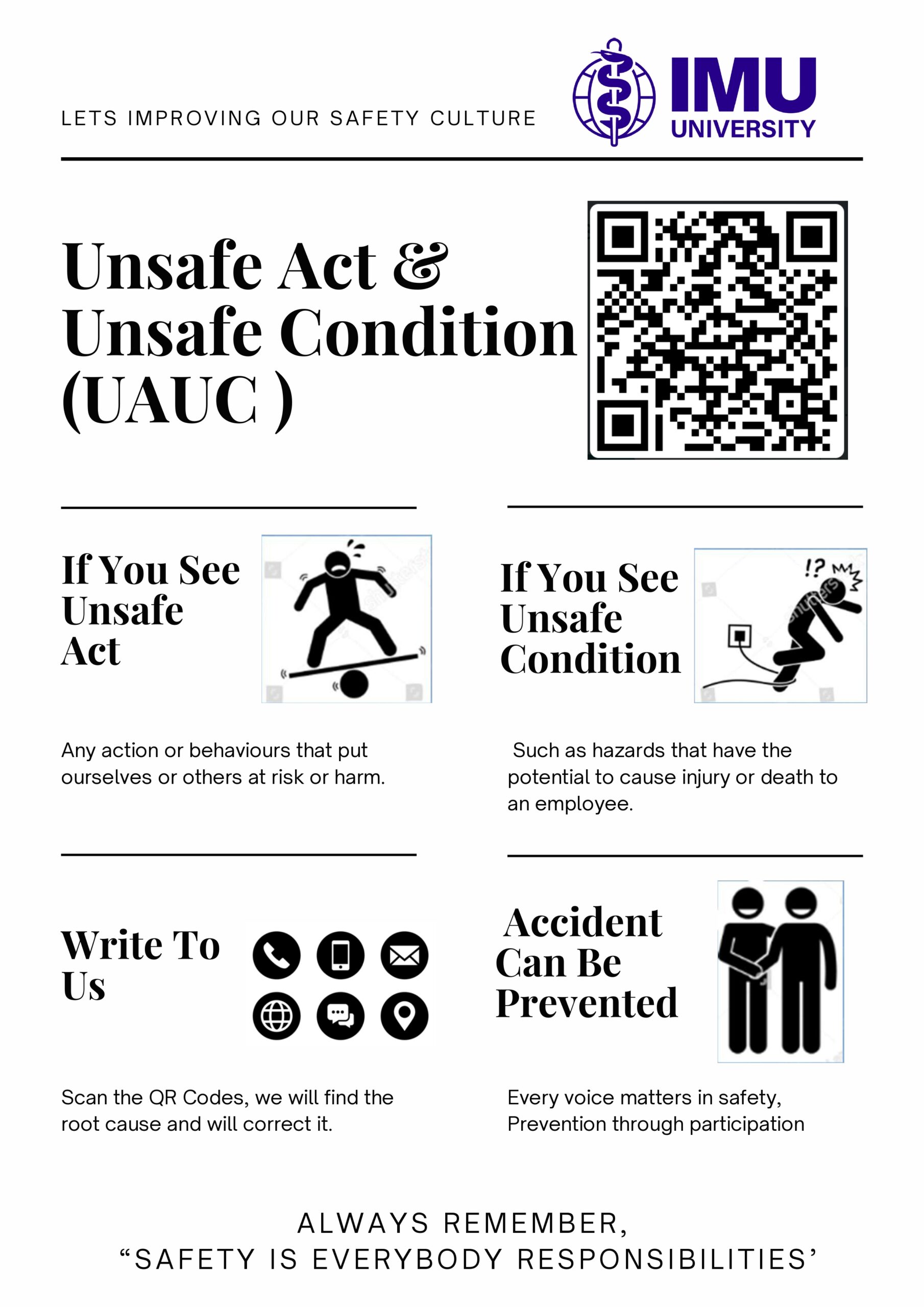
It is very important for students to know the differences between unsafe activities and unsafe conditions as it helps prevent accidents and promote a safer environment, especially in a campus setting like IMU.

Unsafe ActUnsafe Condition
Definition:

A behaviour or action by a person that increases the risk of an accident or injury.

Definition:

A physical or environmental hazard that can lead to an accident or injury.

Examples:

  • Running in stairwells or corridors
  • Ignoring safety signs or bypassing safety procedures
  • Using equipment without proper training
Examples:

  • Broken chairs or faulty electrical outlets
  • Poor lighting in hallways or staircases
  • Obstructed emergency exits
Key idea:

  • Caused by human actions
  • Something or someone does or fails to do that creates danger
Key idea:

  • Caused by environment
  • Something is physically wrong with the surroundings, equipment, or infrastructure

Report an Unsafe Act or Unsafe Condition

If you notice any unsafe act or unsafe condition within the campus, we encourage you to report it immediately. Whether it involves facilities, equipment, or behaviour that could lead to potential harm, your report allows us to take prompt action to prevent accidents and maintain a safe environment for everyone.

Your awareness and cooperation play an important role in building a safer and more responsible community.

You may submit your report through the QR code or by using the form available via the button below:

Report Form

Emergency and Evacuation

Emergencies can happen at any time. Knowing what to do helps keep you and those around you safe.

Here’s a quick and practical guide just for you.

What Counts as an Emergency?

null
Fire
null
Chemical Leak
null
Gas Leak
null
Medical Emergency
null
Bomb Threat
null
Facilities Breakdown
null
Structural Collapse
null
Violence and Crime Act

Emergency Codes

CodeTypeExample
RedFire and smokeRaging fire in the laboratory
BrownUtilities failureBuilding and structure collapse
PurpleBomb threatSuspicious object and package
BlackPersonal threatActive shooter, amok, and riot

Key Contact Numbers for Emergency

Contact PersonContact NumberExtension
IMU Security/Control Room03-2731 7338ext 5555
IMU Medical Emergency03-2731 7799ext 8101/8102/8103
National Emergency999/112

Evacuation Protocol

Always evacuate the building when any of the following occurs:

  • You hear the fire alarm
  • You are instructed to leave by emergency responders
  • An emergency is evident within IMU compound
What to do right away
  • Leave the building immediately and don’t wait.
  • Take essential items only if it’s safe: student ID, phone, wallet, keys, medications.
  • Turn off any equipment (e.g. lab tools, computers), but only if it’s safe.
  • Close doors behind you, but don’t lock them.
  • Use the stairs to exit. Never use lifts during an evacuation.
  • Head straight to your designated Emergency Assembly Point (EAP).
Once you are outside
  • Stay clear of the building.
  • Don’t block roads, driveways, or emergency access areas.
  • Report to your Batch Representative or Lecturer and let them know if you saw anyone still inside or noticed any hazards on your way out.
While leaving
  • Watch out for hazards or people still inside the building and report them when you reach the EAP.
  • Help others ONLY if you can, especially visitors, or anyone with special needs.
  • Take a quick look in nearby toilets, labs, or rooms for anyone who might not be aware.
  • Move quickly, but don’t panic, no pushing or shoving.
  • Use handrails on stairs and keep to the right if emergency responders are coming through.
If instructed to leave campus
  • Drive with extra caution. Emergencies can cause stress and distractions—stay alert.
  • Watch out for pedestrians, cyclists, and emergency vehicles.
  • Expect delays and traffic jams. Be patient and stay calm.
  • Follow any directions given by IMU Security, local authorities, or emergency responders.
  • If your usual exit is blocked, you will be guided to a safe alternate route.
  • Not sure if you should return to campus? Check with your lecturer, coordinator, or One-Stop Centre.
If you have special needs and cannot evacuate
  • Stay calm and protect yourself as best as you can.
  • If you can, call 999 or 112 and tell them your exact location.
  • Move to an enclosed stairwell or a visible safe area near an exit.
  • Ask others exiting the building to inform emergency responders of your location.
  • Do not use elevators unless instructed by emergency personnel.
  • Once you are outside, move away from the building to keep exits clear.
  • Only return to the building when official clearance has been given.
For campus emergency information
  • Check your IMU email, MyIMU Announcement, and Student Portal for updates.
  • Follow IMU’s official social media.
  • Listen to local radio or news channels for area-wide updates.
null

Emergency Procedures

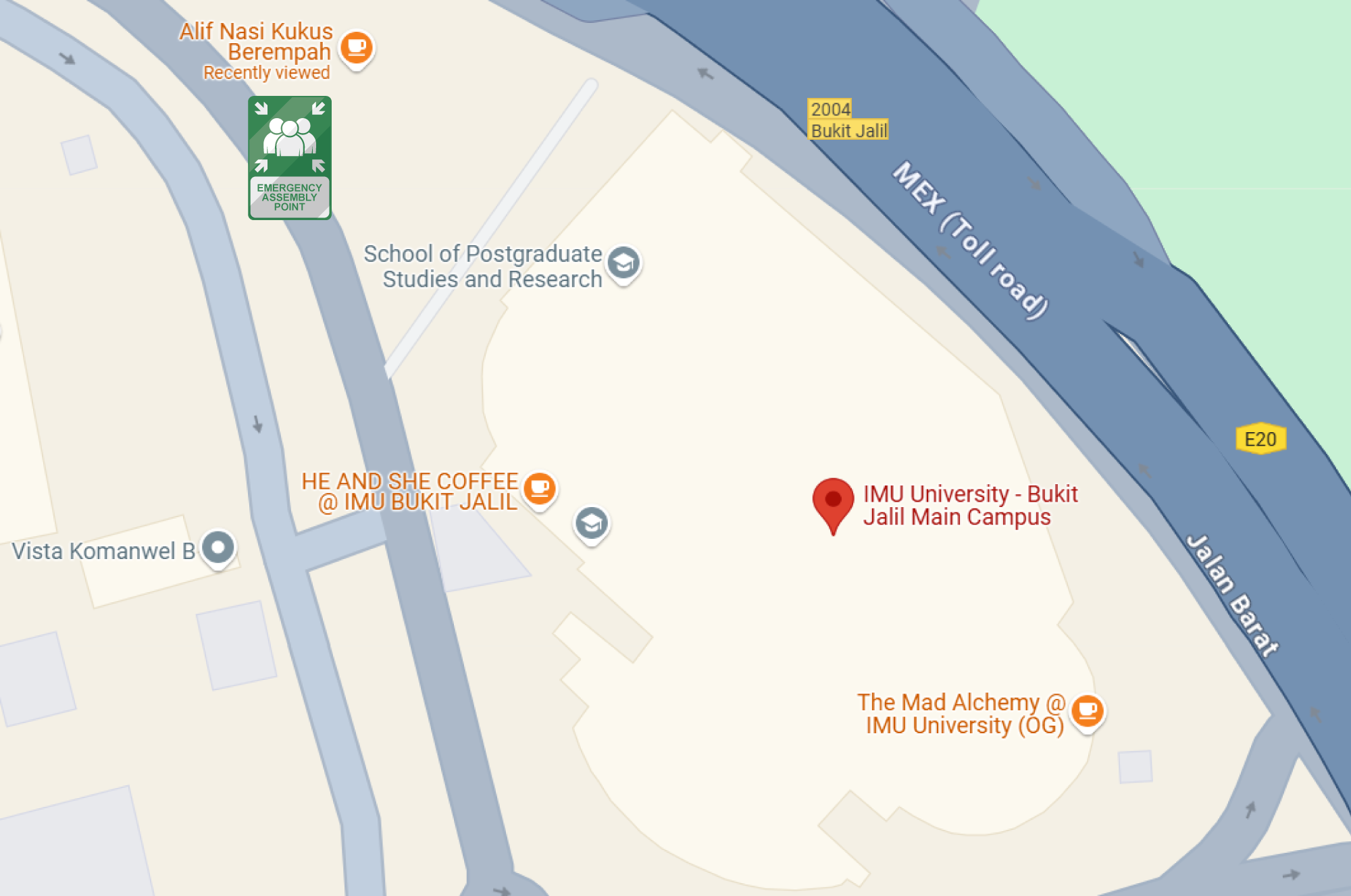
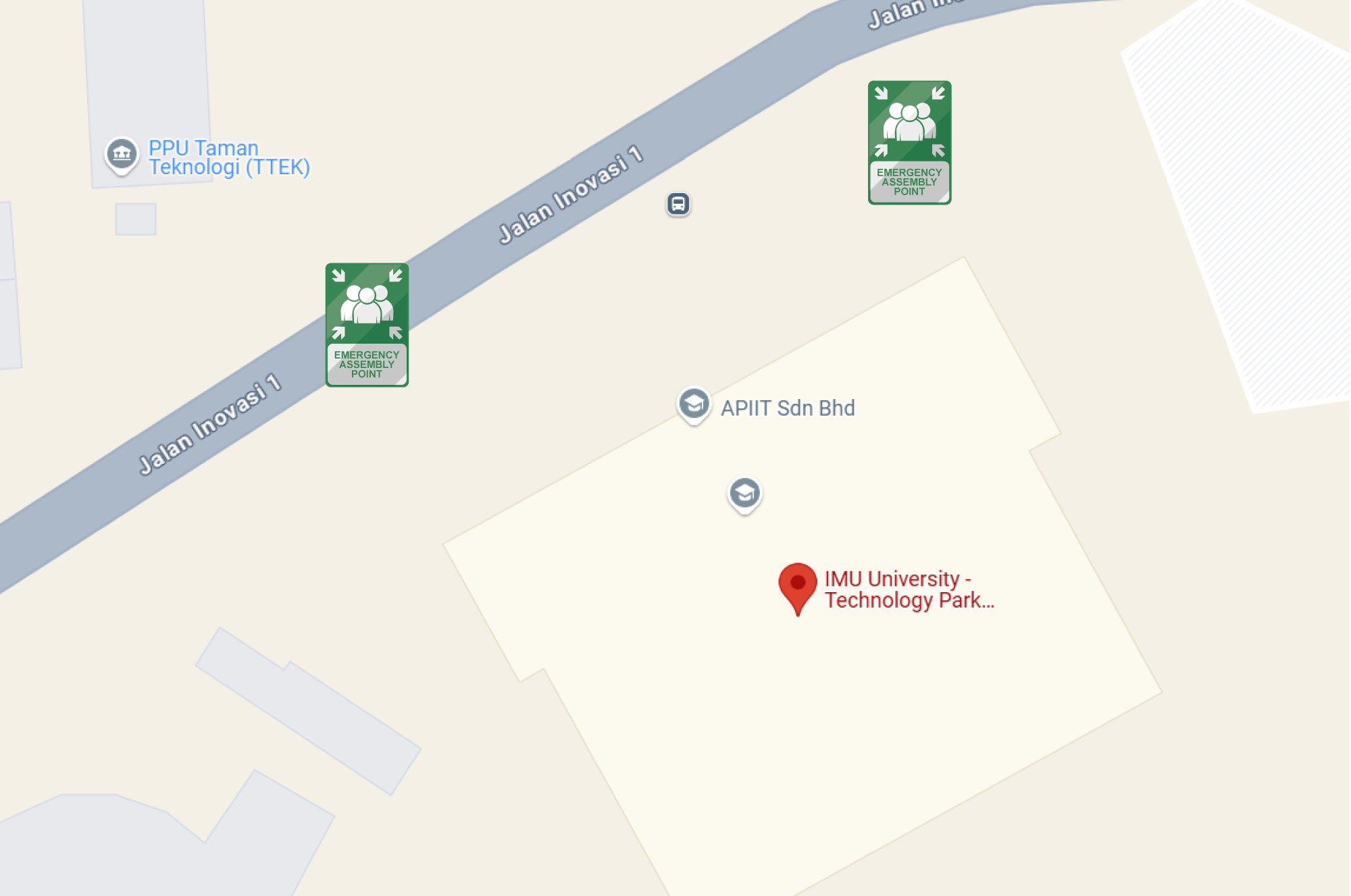
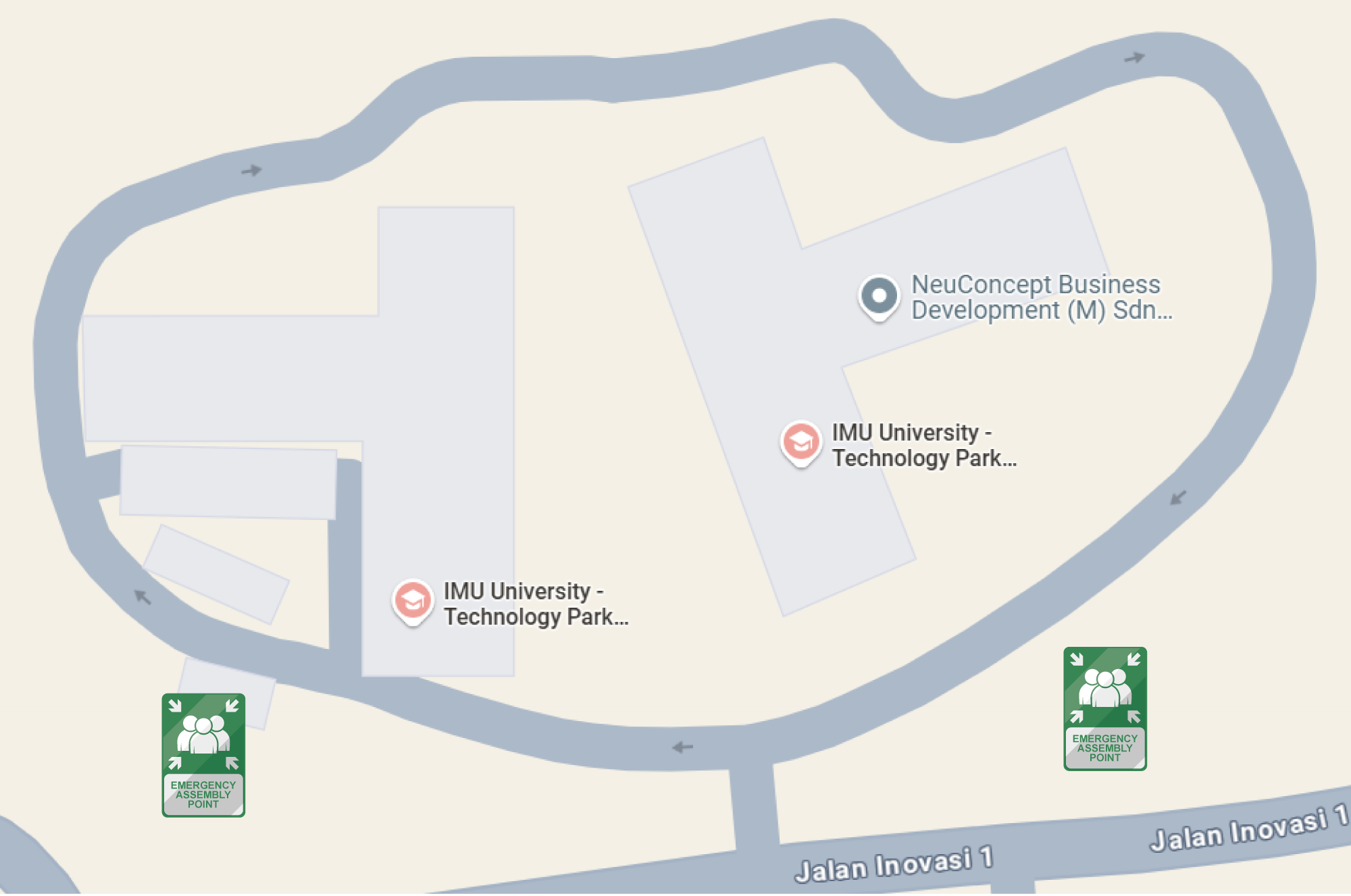
Emergency Assembly Points (EAP)

Bukit Jalil Campus
Technology Park Campus, LiT Building
Technology Park Campus, Hive Buildings

First Aid Box and Other Emergency Equipment

For any emergency situation on campus, please use the location guide below to find the nearest First Aid Box, AED, or other emergency equipment. This will help you respond quickly and get the necessary support until further assistance arrives.

Bukit Jalil Campus

EquipmentLocation
Stretcher
  • Cafeteria, Lower-Ground Floor
  • Library, Third Floor
Wheelchair
  • IMU Healthcare, Ground Floor
  • Student Services Hub, First Floor
  • Library, Third Floor
First Aid Kit
  • IMU Healthcare, Ground Floor
  • Student Services Hub, First Floor
  • Library, Third Floor
Automated External Defibrillators (AED)
  • In front of escalator, Level 2
  • In the walkway near Laboratory, Level 4

Technology Park Campus – LiT Building

EquipmentLocation
StretcherOne-Stop Centre, Ground Floor
WheelchairOne-Stop Centre, Ground Floor
First Aid Kit
  • Near toilet, Ground Floor
  • Near toilet, First Floor
  • Near toilet, Second Floor
  • Near toilet, Third Floor
Automated External Defibrillators (AED)Near toilet, Ground Floor

Technology Park Campus – Hive 3 and 4 Buildings

EquipmentLocation
StretcherFirst Aid Room, Hive 4
WheelchairFirst Aid Room, Hive 4
First Aid KitNearby lift, Hive 3 and 4
Automated External Defibrillators (AED)Nearby lift, Hive 3 and 4

Report an Incident

Any unsafe act, unsafe condition, and incident occurred within IMU compound can be reported via below form, or to Mr Muhammad Faisal, IMU Safety Officer by email at MuhammadFaisal@imu.edu.my, or via Microsoft Teams.

What Needs to be Reported?

CategoryDefinition
Near MissDefined as an incident in which there is no injury or property damaged but potential serious consequences exist.
AccidentAn occurrence arising out of or in the course of work which results in fatal injury non-fatal injury.
Dangerous OccurrenceAn occurrence, which arises out of or in connection with work, such as:

  • Collapse of Scaffolding
  • Collapse of a Building or Structure
  • Electrical Short Circuit or overload attended by fire or explosion
  • Escape Of Substance
  • Explosion, fire or Failure of Structure which resulted in the stoppage of suspension of normal work in that place for more than 24 hours
Occupational Poisoning or DiseasesOccupational poisoning refers to the adverse effects on health due to exposure to toxic substances in the laboratory. Occupational diseases are illnesses resulting from long-term exposure to harmful conditions or substances in the workplace.

Occupational Safety and Health (OSH)

OSH is about preventing accidents, promoting health, and making sure everyone; including students, staff, and visitors, can enjoy a secure environment within IMU compound. We follow the Occupational Safety and Health Act 1994 (Act 514) and other national safety standards to protect you.

OSH Committee

Functions of OSH Committee, in relation to Students’ Safety and Health

  • null
    Acts as a policy and decision maker in matters of student safety and health across the university.
  • null
    Promotes safety and health awareness at all levels, including among students.
  • null
    Investigates and advises on unsafe incidents involving students on campus.
  • null
    Plans and delivers safety training and awareness programmes to build a strong safety culture among students.
  • null
    Reviews safety practices from other institutions to enhance student safety and health on campus.
  • null
    Monitors how effective the university’s safety and health programmes are in protecting students.

Laboratory Safety

A laboratory safety briefing will be conducted for all new students to introduce the rules and regulations in the Multi-Disciplinary Labs (MDL). The session will cover the safe handling of chemicals and laboratory instruments. A copy of the safety briefing is available here, along with video links demonstrating the use of basic laboratory instruments.

null

Orientation and Safety Resources

Scam Awareness: Don’t Get Caught Off Guard

University life is exciting but between assignments, social life and part-time jobs, it’s easy to overlook risks like online and phone scams. Unfortunately, students are prime targets for scammers who prey on trust, urgency and financial stress. Being aware is your best defense.

Why Are Students Targeted?

  • Many students are living independently for the first time.
  • Some are new to managing finances or using online services.
  • Student loans, job hunting and housing need make students vulnerable.

Common Scams Targeting Students

Fake Job Offers
  • “Work from home” jobs that ask for upfront fees or personal info.
  • Offers to “process payments” or “receive checks”, these are money mule scams.
Phishing Emails & Texts
  • Pretending to be from your university, banks or technical support.
  • Often ask you to “verify your account” or click suspicious links.
  • Look out for poor grammar or strange-looking web links.
Loan Scams
  • Fraudsters pretending to be financial aid officers or student loan services.
  • May pressure you to “pay now” or offer fake repayment programs.
Housing Scams
  • Fake landlords asking for deposits before you’ve seen a property or signed any tenancy agreements.
  • Rental listings that seem too cheap or demand urgency.
Scholarship & Grant Scams
  • You’re told you’ve won a scholarship you never applied for but need to pay a “processing fee” to claim it.
Online Shopping Scams
  • Fraudulent buyers or sellers on platforms like Facebook and Instagram Marketplace.
  • These can involve fake websites, misleading product descriptions or non-delivery of purchased items.
Romance Scams
  • Scammers create fake online relationships to gain your trust and then manipulate you into sending money or gifts.
Delivery Company Scams
  • Scammers are posing as delivery companies like DHL, FedEx, Pos Laju etc to steal your personal info or money.
  • You might get a text, email or phone call saying your package couldn’t be delivered, contained illegal drugs or needs extra payment.
Scammers Posing as Police: Don’t Fall for It
  • Scammers are impersonating police officers or law enforcement agencies to scare people into handing over money or personal information.
  • They may call, text or even email you claiming you’re in legal trouble or that a fine must be paid immediately.
  • Threatening arrest if you don’t pay a “fine” or “bail” right away.
  • Demanding payment via gift cards, crypto or wire transfers.
  • Asking for personal info like your IC number, bank details or address.
Scammers Posing as Bank Officers: Don’t Be Fooled
  • Scammers often pretend to be from your bank, claiming there’s a problem with your account or a suspicious transaction.
  • They may sound professional, but their goal is to steal your money or personal information.
  • Calls or texts asking you to “verify” your PIN, password or account number.
  • Urgent messages about account freezes or fraud threats.
  • Requests to click on a link or download an app.

Scam Prevention and Awareness

Scams are becoming more common, and students are often targeted. It’s important to know how to recognize suspicious activity and understand the steps to take if you ever become a target. The information below will guide you on how to stay scam-smart and what to do if you are targeted.

How to Stay Scam-Smart
  • Slow down. Scammers rely on urgency to push you into making mistakes.
  • Double-check sources. If you get an email from your university, verify the address. If unsure, please contact the relevant department directly.
  • Don’t send money or personal info to people you don’t know or trust.
  • Use secure payment methods. Avoid wire transfers or prepaid gift cards.
  • Update your privacy settings on social media as scammers often gather personal info from your profiles.
  • Never share personal or banking info through text, email or phone.
  • Real police will never ask for payment over the phone or online.
  • Don’t click suspicious links and go directly to your bank’s website or app.
  • Hang up and call your bank using the number on the back of your card.
  • Rule of thumb: When in doubt, check it out, don’t share, don’t click, don’t pay.
What to Do If You’re Targeted
  • Don’t panic. Stop communication with the scammer.
  • Get help from the National Scam Response Centre: 997.
  • Report it to your university’s IT or student services. A report can also be lodged at IMU Feedback
  • Inform your bank if you give out financial information.
  • Change your passwords and monitor your accounts.
  • Make police report at the nearest police station.
  • Share the experience. Talking about it helps prevent others from falling for the same trap.

Stay sharp. Stay safe.

Staying informed and vigilant is crucial to protecting yourself from scams.

By understanding common scam tactics and taking proactive steps to verify information, you can significantly reduce your risk of becoming a victim.

Remember: If something feels off, trust your gut. Ask questions. Get a second opinion. No legit opportunity will ever pressure you or ask for personal information over email, DMs or calls.

Crisis Management: A Student’s Guide to Staying Prepared

A crisis is a time of intense difficulty or danger a person faces. Crisis management is the process of being aware of, responding to, and recovering from unexpected events that threaten to disrupt normal life. For university students, crises can range from personal emergencies and health issues to campus-wide incidents like natural disasters, cyberattacks, or public health threats (e.g., pandemics).

Understanding how to manage a crisis can protect your well-being, minimize disruption to your education, and help others around you.

  • The university has formed a Student Crisis Response Team (SCRT) in BJ & Seremban campuses respectively.
  • The SCRT team is responsible for and focused in effectively supporting the students when a crisis occurs.
  • The team comprises staff from Student Services (Welfare and Counselling (SCS)) and other relevant sections of IMU.

Common Crises University Students May Face

Level 1 - Low Impact Crisis

A low impact crisis is when a student faces a non-life-threatening situation.

Types of low impact crisis (examples):

  • Medical – Immediate support/assistance is given to a student in the case of a minor accident, injury, or sudden illness before the arrival of or access to trained medical personnel.
  • Victimisation – Bullying, harassment, scam, theft, etc which makes you feel unsafe.
  • Minor natural disaster – Caused by heavy rain, heat waves, thunderstorms or landslides; not causing significant loss of properties or any human lives.
Level 2 - Moderate Impact Crisis

A moderate impact crisis occurs when a student faces immediate danger or a life-threatening situation.

Types of moderate crisis:

  • Suicide attempts – When someone harms themselves with an intent to end their life but survives.
  • Major accidents or incidents – Incidents/accidents that result in life-threatening situations.
  • Death – In the event of death, the university must respond with concern, care and respect for the deceased and his/her family and friends.
Level 3 - High Impact Crisis

A high impact crisis refers to a university-level emergency that poses significant threats to individuals in their community and its vicinity.

The university’s Emergency Response Team (ERT) and the IMU Safety & Health Officer are responsible for managing such crises.

When a student is impacted or injured, the ERT team will contact the SCRT team for the support and assistance needed.

Types of high impact crisis:
Major threats – In the event where the university community are held hostage, fire, explosion, bomb threat, chemical leakage, etc. Such incidents will likely be a university level crisis or beyond.

The 4 Phases of Crisis Management

Crisis situations can happen unexpectedly, and knowing how to respond can make a big difference. Crisis management provides a step-by-step approach to handle challenges effectively, reduce risks, and recover smoothly. By understanding the phases, students will be better prepared to stay calm, take the right actions, and support one another when difficult situations arise.

Below are the 4 key phases of crisis management:

null
Mitigation

  • Reduce risks before a crisis occurs
  • Examples: Knowing campus emergency numbers, securing personal data, having health insurance

null
Preparedness

  • Planning ahead
  • Create a personal crisis plan: Who to contact, Where to go, What steps to take
  • Save backup copies of assignments and important documents

null
Response

  • Taking immediate action when a crisis occurs
  • Stay calm, follow official instructions, communicate clearly
  • Use trusted sources for information (university websites, official emails)

null
Recovery

  • Getting back to normal
  • Seek academic or counseling support from Student Counselling Services (SCS) if needed
  • Reflect and learn from experience to improve future preparedness

Tips for Effective Crisis Management as a Student

  • Stay Informed: Subscribe and look out to university alerts and updates
  • Build a Support Network: Have contacts for friends, family, mentors or mental health professionals
  • Practice Digital Hygiene: Use strong passwords and secure your devices
  • Know Your Resources: Be aware of available university services like health centers, counselling services, financial aid or academic advisors/mentors
  • Take Care of Your Mental Health: Regularly check in with yourself and seek help when needed

What to Do If You Are in a Crisis or Witness a Crisis

If you are in a crise or a witness to someone who is in a critical incident with imminent danger, call 999 first to seek help from relevant authorities by following the steps below:

Crisis management isn’t just for governments or large organizations, students need it too. By being proactive and resilient, you can face unexpected challenges with confidence and clarity. Whether it’s a personal setback or a campus-wide emergency, knowing how to respond makes all the difference.

In case of an emergency or crisis, you may reach out the Crisis Support Contacts

What to Do If You Witness or Experience Concerning Behaviour

At IMU, your safety and wellbeing are our top priority. If you witness, experience, or become aware of any concerning behaviour, we encourage you to report it. Even if you only need advice or someone to talk to, support is always available.

Types of Concerning Behaviour

Concerning behaviour can take many forms, including but not limited to:

null
Violence & Abuse

  • Assault or Threats
  • Family or Domestic Violence
  • Stalking
  • Technology-Facilitated Abuse

null
Harassment & Discrimination

  • Sexual Harassment or Harm
  • Harassment
  • Racism or Discrimination
  • Bullying or Hazing

null
Fraud & Exploitation
Scams or Fraudulent Activities
null
Mental Health & Safety Concerns
Self-harm or Suicidal Thoughts

If you come across any of these issues, please don’t hesitate to reach out. Early reporting allows us to step in with the right support, resources and guidance to reduce harm and help those affected. Being informed and staying alert helps create a safer environment for everyone. We encourage all students to familiarize themselves with IMU’s safety measures, stay vigilant on and off campus, and always be aware of their surroundings, especially when walking alone or outside campus grounds.

Your voice matters, and by speaking up, you help us build a safer, more supportive community for all.

Refer to the buttons below to view the emergency contacts or lodge a report if you encounter any of the above behaviours.

Emergency ContactIMU Feedback

Crisis or Emergency Contact Number

24 HoursEmergency999
IMU Security

(Bukit Jalil Main Campus)

03-2731 7338
IMU Security

(Seremban Campus)

06-767 7798
Mental Health Helpline1800-81-9221
Support in Office Hours and Times of CrisisStudent Services

(Bukit Jalil Main Campus)​

03-2731 7561
Student Services

(Seremban Campus)

06-767 7798
General Line

(Batu Pahat Campus)

07-432 0580
General Line

(Kluang Campus)

07-776 2681


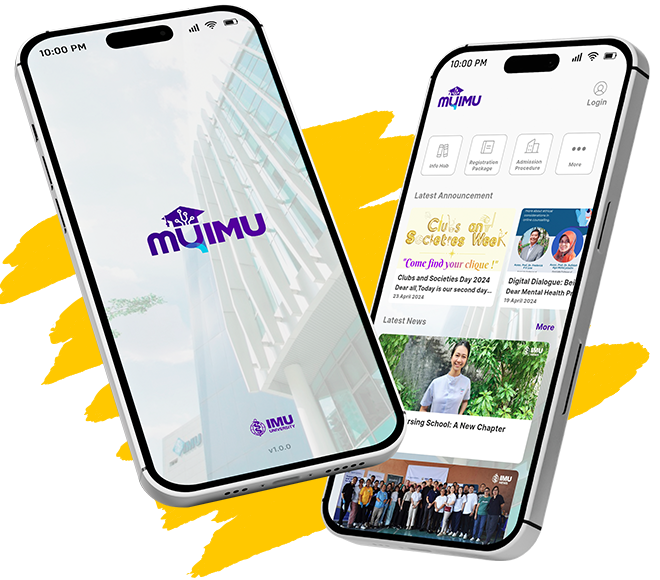
Gain further access with IMU mobile app

Download MyIMU App