IMU believes in the development of the whole self. The IMU Student Counselling Services (SCS) functions as a centre to assist and facilitate your university life in academic, social and developmental activities. We carry out talks, organise workshops and facilitate group counselling or self-discovery sessions to enhance your studies and personal development.
SCS is also here to guide and support you through our various services, including individual, group and career counselling under the utmost confidentiality.
Student Counselling Services

Overview
Objectives



Counselling Services
University life can be compared to starting a whole new chapter of life. This journey’s main twists and turns are centred around self-discovery and self-reliance while you are learning to cope with being away from home, making new friends, balancing personal time, understanding, and meeting the demands of your course. From time to time, while you are busy coping with these adjustments you may sometimes feel overwhelmed.
Our counsellors and clinical psychologists are ready to journey with you by providing the following services: individual counselling, group counselling, career counselling, educational well-being, referral, and crisis intervention.
Individual Counselling: One-on-One Session
- Helps to attend to your concerns objectively.
- Supports and journeys with you in a safe and private setting.
- Supports self-exploration and personal growth.
- Empowers coping skills to navigate personal and academic concerns, career direction, and emotional challenges.
Group Counselling
- Acts as a support network for students to feel a greater sense of connection to others and normalises what they are going through.
- Provides a valuable space for students to share information about themselves, and gain insight into their thoughts and behaviours.
- Learn healthy ways to give and receive support and feedback from others.

Your Confidentiality is Our Priority
The IMU SCS works within the ethical framework for good practice under the Malaysia Counsellor Act 1998 (580 Act).
The IMU counsellors and clinical psychologists are committed to working together to provide professional counselling services to the students adhering to the Counsellors Code of Ethics as set by “Lembaga Kaunselor” (Malaysian Board of Counsellors) and the MSCP Ethical Code (2015) for registered clinical psychologists, as set by Malaysian Society of Clinical Psychologists.
Making An Appointment
Making an appointment today is a lot more convenient than before. We have initiated an online booking system to ease your time and energy.
After-Office-Hour Assistance





*Lifeline Association Malaysia Operating Hours: Mon-Fri: 9:30am-10:30pm; Sat: 2:30pm-5:30pm
Common Myths About Counselling
MYTH #1: Counselling is only for people with severe emotional problems.
FACT: Everyone has difficulties at some point in their lives. Being able to ask for help is a sign of maturity, humility and inner strength.
MYTH #2: I can get clinical assessment, medications, and diagnosis of my mental health from counselling.
FACT: Counsellors do not provide clinical diagnostic reports or prescribe medication. Their focus is to collaborate with the clients to identify, address, and work through their concerns and needs.
MYTH #3: Counsellors/Therapists will tell you what to do and how to “fix” your problems.
FACT: Counselling is not a quick-fix solution. On the contrary, counselling is a process that requires time and effort. It involves exploring your emotions, thoughts, and concerns to help you evaluate your options and achieve your goals.
MYTH #4: A Counsellor/Therapist cannot understand you unless he/she has had similar experiences or is of the same background.
FACT: Counsellors/Therapists are trained to be sensitive and respectful of individual differences, including the specific concerns of students concerning gender, racial/ethnic, cultural, religious, age, sexual preference/orientation, and socioeconomic issues.

Frequently Asked Questions
Where is the Student Counselling Services (SCS) located?
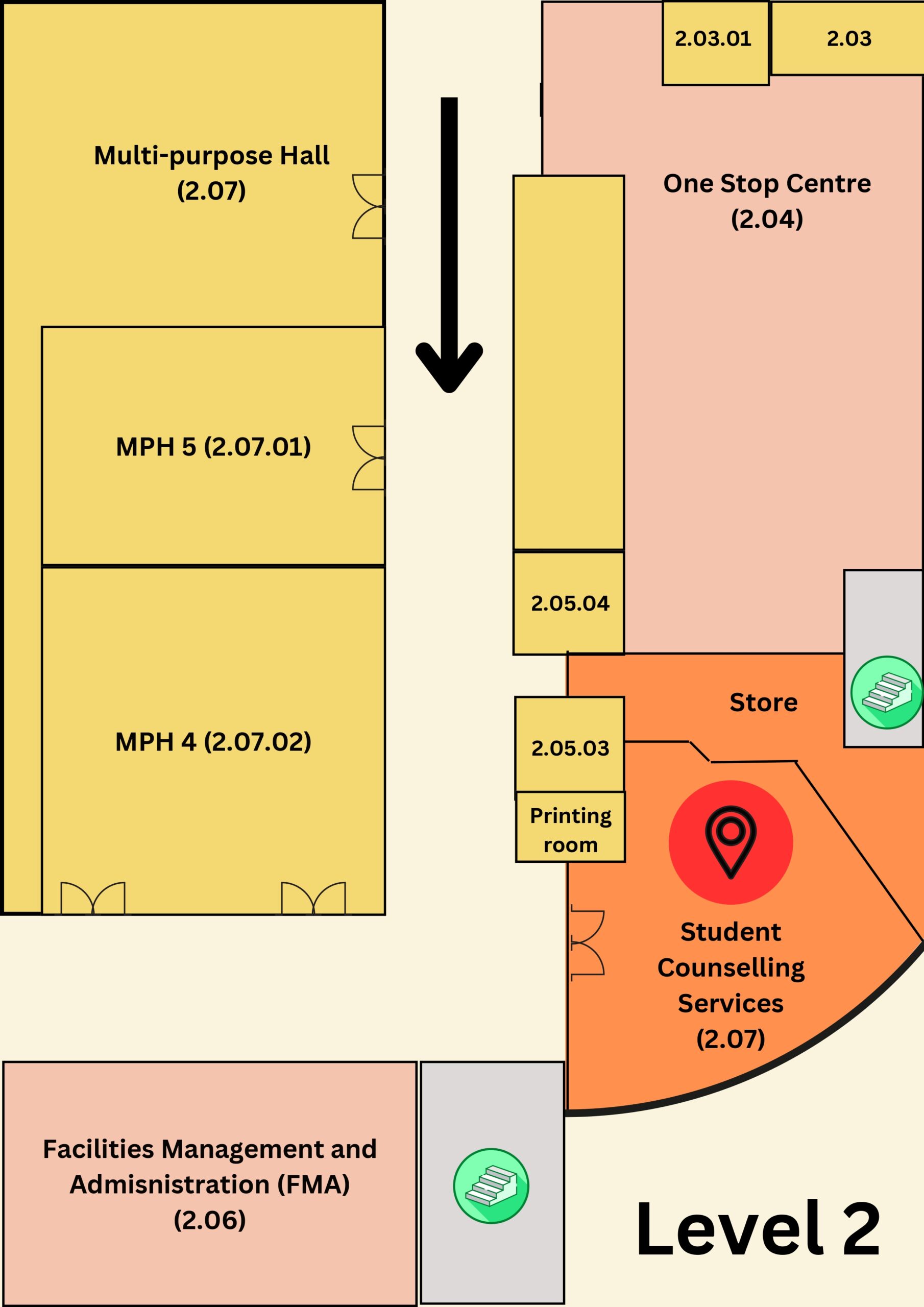
At Bukit Jalil Main Campus, we are located on the 2nd Floor, 2.06. Next to FMA (Facility Management & Administration) office.
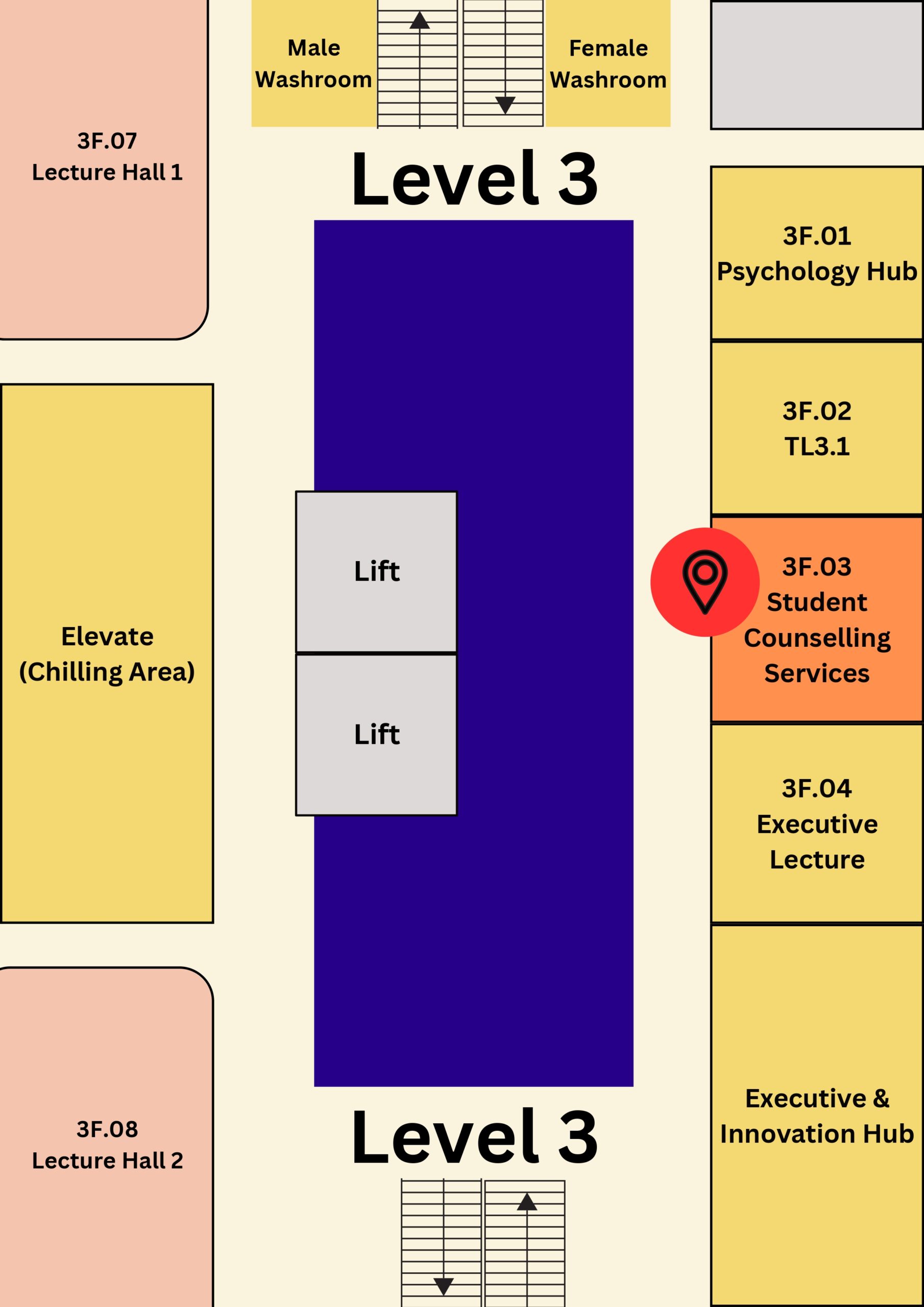
At Technology Park Campus (LiT building), we are located on the 3rd Floor, LiT 3F.03.
What are your office hours?
Bukit Jalil Main Campus and Technology Park Campus (LiT Building): 8:30am – 5:30pm exclude Public Holiday.
Free Mental Health 24/7 Helpline is ready to students who need assistance after our operating hours. It can be contacted at 1800-81-9221.
Clinical Campus: BY APPOINTMENT ONLY. Kindly email us at:
Seremban campus: scs_cc@imu.edu.my
Batu Pahat campus: scs_bp@imy.edu.my
Kluang campus: scs_klg@imu.edu.my
Who can use the Counselling Service provided by SCS and what does it cost?
The counselling service is Free of Charge for all IMU Students and for 6 sessions (within a year from graduation date) for IMU Alumni after graduation.
How do I make an appointment?
Please refer to the above “Making an appointment” under this section or SCS Contact section..
What should I do if I’m in crisis and couldn’t reach counsellor during non-office hour?
Please call our Free Mental Health 24/7 Helpline: 1800-81-9221. You can also call 999 (ambulance) or proceed to the nearest government hospital.
What is your policy on confidentiality?
Counselling sessions held at Student Counselling Services or any other settings within the University are confidential to both the student and counsellor.
Only in exceptional circumstances, the counsellor may take direct action to break confidentiality with or without the student’s consent if necessary, where, in the counsellor’s professional judgement:
- There is a risk of serious harm to the student and/or others.
- The student is below the age of eighteen years is being harmed or abused as defined by the Child Act 2001(Act 611).
- A counsellor can be required by a court of law to provide information, although this situation is very rare. However, this will be fully discussed with the student first and he/she will be involved in the process, so that any resulting action is taken with his/her full knowledge.
How long is one session?
One session is 50 – 60 minutes.
How may I support a friend or family in need?
You are welcome to consult the counsellor on how to support your friend or family in need.
Will I be meeting counsellor/therapist face-to-face or online?
You may choose to see your counsellor/therapist face-to-face or online. However, if you are not feeling well and show signs of fever/flu/cough. We encourage you to opt for online session.
Talks & Workshops

Onboarding Programmes
Starting a university education is both challenging and exciting. This sharing is about the:
- Academic, personal, social, cultural and environmental adjustments in IMU
- The importance of Personal Safety and Where and How to Reach Out for Help
- Introduction to the team of mental health professionals at Student Counselling Services
Personal Development Programmes
What’s Your Journey?
What will you do if your expectations are not met? What are the necessary adaptations and coping strategies you already have? What is your view of “soft skills?” Is a university education just a pursue for a paper qualification or more of the growing of an individual?
My Behavioural Style
Ever felt like your teammates just don’t get you? Or noticed how differently they approach tasks compared to you? As you dive into university life, group projects and collaborations are inevitable. Understanding these differences can be the key to smoother teamwork and better results.
Balancing Work & Study
Are you studying and working at the same time? Feeling tired? Being late in assignments? Balancing work and study is challenging. This short talk shares some tools on how to manage this better. “It’s not going to be easy. But it’s going to be worth it” ~ David Viscott
Study Skills Programmes
This course would help you to be an effective learner through these 5 missions:-
- How to be an active learner
- What are the effective study methods
- Time management
- How to handle stress
- Improve self-care
Watching these ten colourful and vibrant videos to equip yourself with the learning skills such as identifying important information, organising it effectively, memorising vast amounts of data, applying what you’ve learned, and effectively recall learning information.










Upcoming Events
SCS organises events and workshops related to the topics of mental health along the year.
Please stay tuned to @imustudentservices on Instagram or the Student Portal Announcements page to learn more about the details about the upcoming events from SCS. You can also find the event or workshop posters at SCS offices and their notice boards.
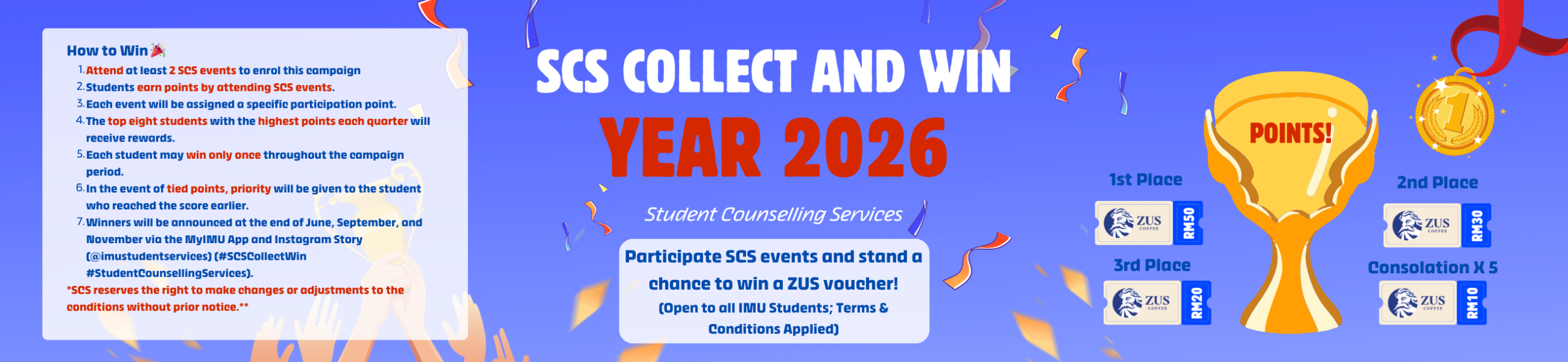
SCS encourages students to participate events and get reward (point-based). Don’t miss the chance this year to collect points and win attractive ZUS voucher (up to RM50) by attending SCS events between 1 April to 30 Nov 2026. Students can check your total point here.
For inquiries, please contact SCS.
Student Counselling Services University Events
IMU Main Campus, Level 4
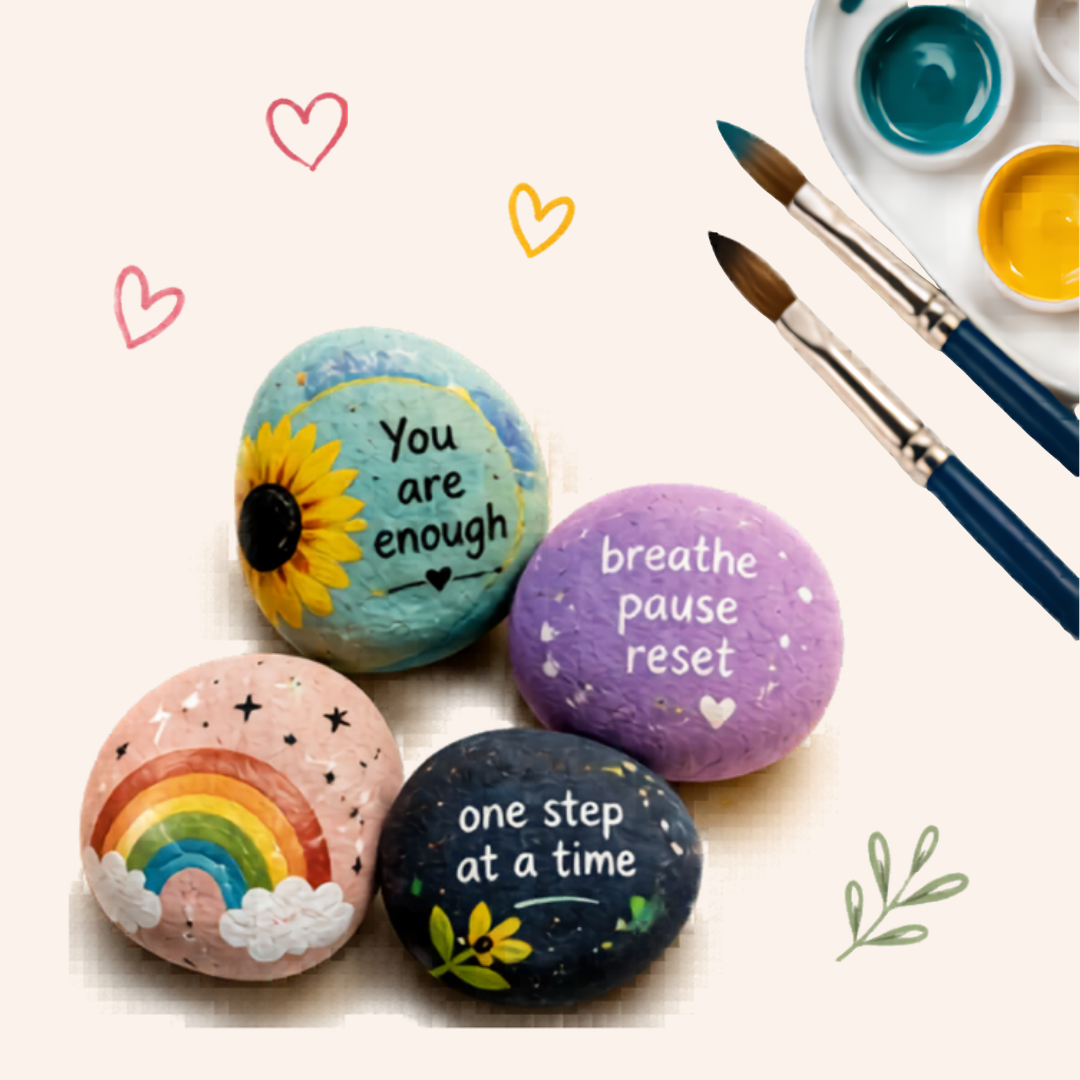
SCS Roadshow – Paint Your Mind

Student Activities Student Counselling Services
IMU Technology Park, LiT Building, Library
Pause and Colour Corner
Self-Help Resources

Undeniably, students of today need to invest in the sharpening of their soft skills such as communication, problem-solving, self-motivation, decision-making, and time management skills besides their academic and technical knowledge. IMU SCS assists our students by providing or identifying good self-help materials for you. The list will be updated on timely manner to ensure they carry the latest resources.
Self-Help Links
These are some links you will visit as a student of IMU. You are welcome to feedback to us at scs@imu.edu.my if you would like to see certain self-help strategies in this page.





Books For Personal Growth
Here are some recommended good books you can find in IMU Library for personal growth. These books are organised by categories, you may click on the following category for the recommended list of books.

Books of the Month
Here are some recommended books from SCS for you according to different monthly topics.
January
Motivation: Does your choice motivate you?

February
Self-confidence – Your daily self-talk

March
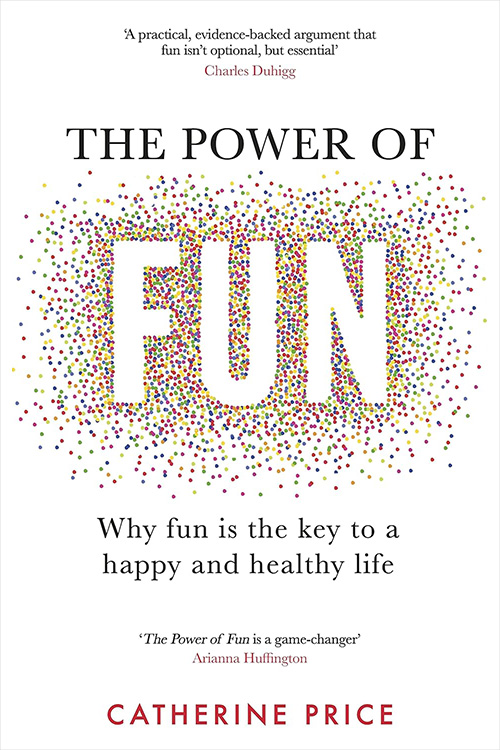
Use fun to entertain stress
April
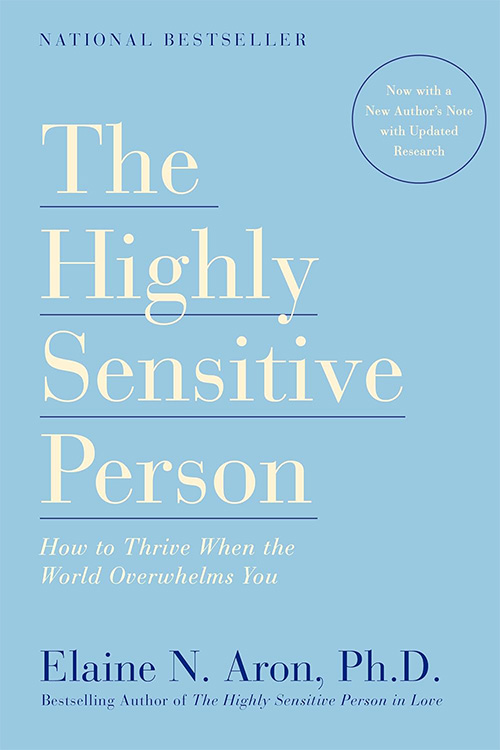
Being an introvert
May
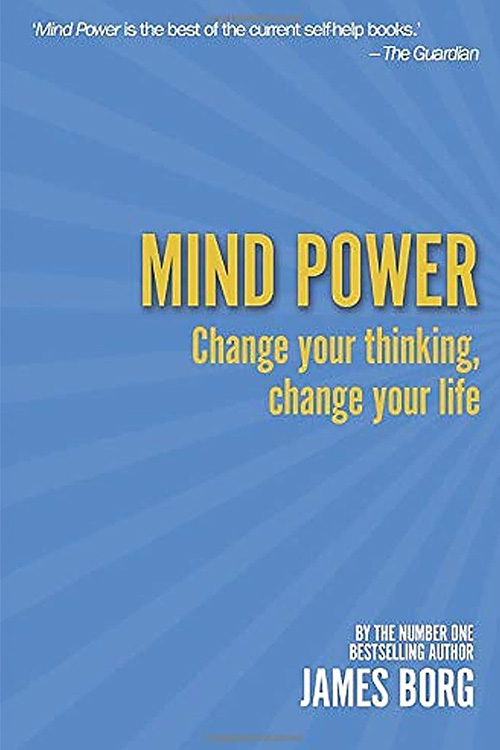
My judgement and bias
June
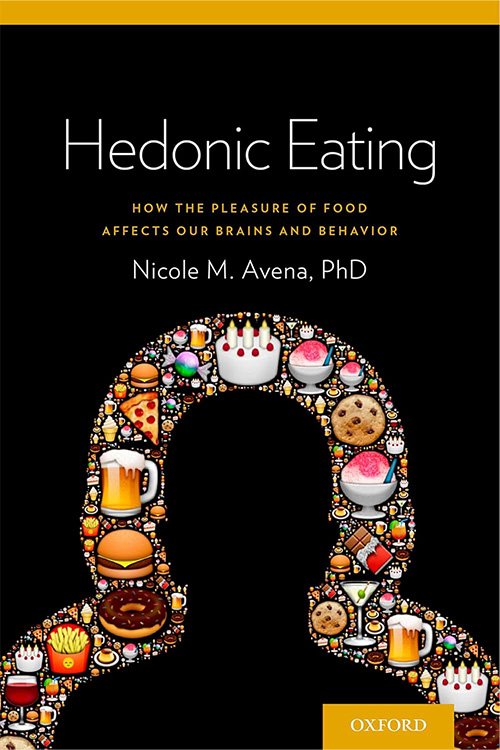
Eating and Mood
July
Explore the purpose in life

August
Emotions Regulations (Part of it)

September
Burnout, like a flat tire
October
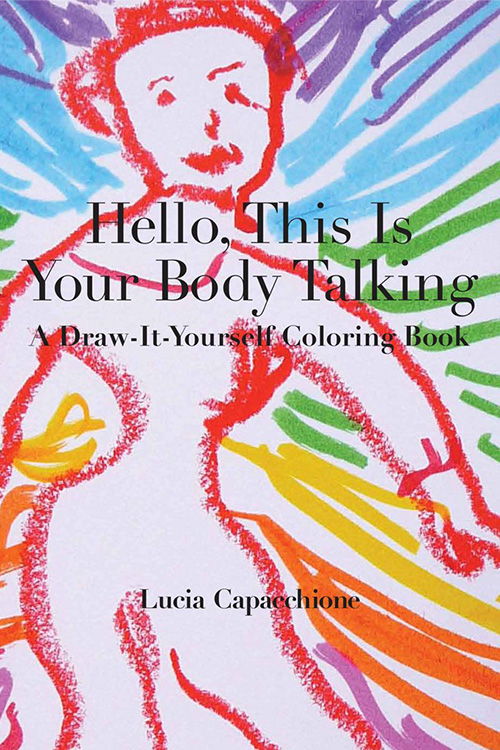
Mental Health Disorders – The misunderstood condition

November
Facing stage fright
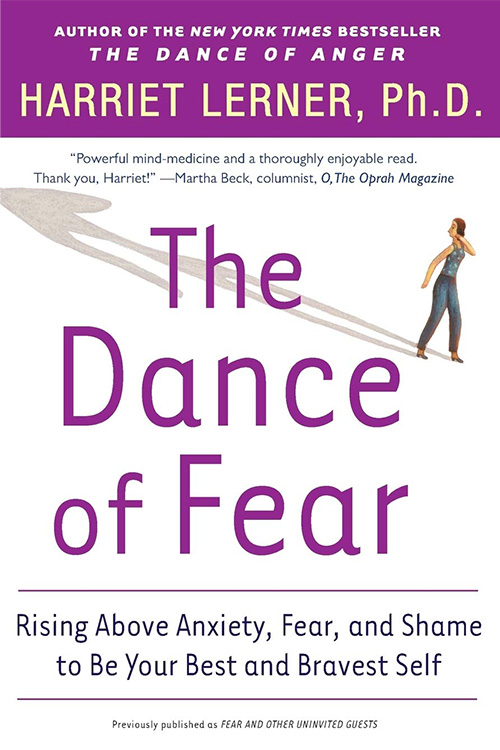
December
Understand resilience

SCS Newsletters
Newsletter Links
In this newsletter, guided by the monthly themes, you’ll find self-love tips, inspiring self-compassion quotes, a fun self-love quiz, and resources on how self-care can positively impact your overall well-being. Hope these resources help you nurture a healthier, more compassionate relationship with yourself.
Help A Friend
Are You Concerned About A Friend?

Friends are often the first person to notice that a friend is undergoing emotional struggles. If you have a gut feeling that something is not right with your friend, you can make a difference by learning the signs and ways to help by following these 3 simple steps on NEC.
The NEC 3 Step Mental Health Support Model can help your friend:
- Notice signs of distress
- Express concern for your friend
- Connect your friend to the support he/she needs
Notice Signs
Common signs that a friend needs help dealing with emotional or mental struggles.
- Behavioural changes such as withdrawal, insomnia, avoidance, missing classes, lack of interest or easily irritated.
- Emotional changes such as crying for no apparent reason, intense anxiety or nervousness.
- Constant feelings of sadness or hopelessness and expressing thoughts of self- harm or someone else.
- If you see your friend posting messages, photos, videos, links, comments or hashtags that suggest he/she is in emotional distress, you may reach out to your friend to express your concerns.
Express Concern
If you noticed any signs of distress, simple question such as ‘hey, is everything OK?” Express your concern and support by:
- Offer to talk to your friend in a safe environment.
- Offer listening ears with empathy.
Connect to Support
If you are not equipped to support, you may encourage your friend to seek professional help:
- Help your friend identify sources of support.
- Encourage your friend to seek help with SCS or offer to accompany your friend to SCS.
- Provide options to make appointments such as self-registration, calling, sending a message to SCS via E-mail, Microsoft Teams or WhatsApp.
Talk2Me E-Mail Service
Need someone to talk to? You may email us to share with us your thoughts and feelings.
What If My Friend Is Resistance to Seek For Professional Help?

Offer Resources
- Email to Talk2Me to get assistance from peer supporters for advice or to reach out to your friend.
- Provide your friend the Free Mental Health 24/7 Helpline for IMU staff and students: Call 1800-81-9221.
Consult
You are not alone. Contact SCS and reach out to our team of mental health professionals to get advice on how to approach your friend. Other groups that can support you are SSH (Student Services Hub), Mentors, Lecturers, SRC (Student Representative Council) or E-mail to Talk2Me to get assistance from Peer Supporters.
Contact for Immediate Help
If you believe your friend is in a crisis or need immediate help, please call the following numbers immediately.
| During Office Hours (within IMU Campus) | Student Counselling Services (Main Campus & LiT Building) | 03-2731 7564 |
| Student Services Department (Bukit Jalil Campus) | 03-2731 7561 | |
| Student Services Department (Clinical Campus) | 06-7671 643 | |
| After Office Hours | Mental Health 24/7 Helpline | 1800-81-9221 |
| Emergency | 999 |
IMU Peer Support Club
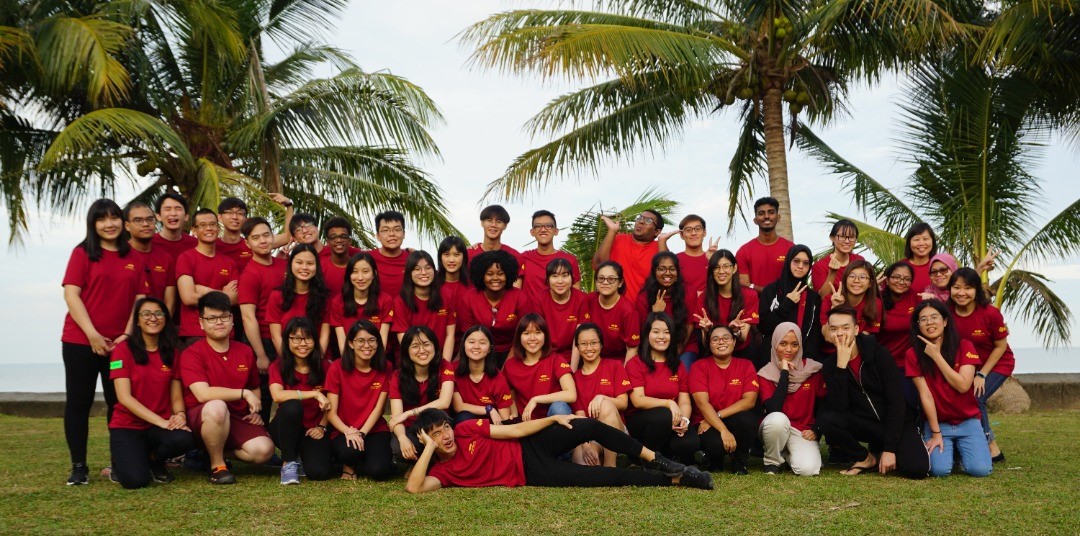
What is IMU Peer Support Club?
We, the Peer Supporters, are IMU students who are trained in basic helping skills to reach out to students with a wide range of issues. We provide a listening ear, offer support and refer fellow students to available resources. Students can reach us via the Talk2Me E-mail Services, exclusive for IMU students.
IMU Peer Support Club has been active for the past decade. With the supervision and guidance from the counsellors in Student Counselling Services (SCS), we provide training and guidance to new recruits who are up for the role of becoming Peer Supporters.
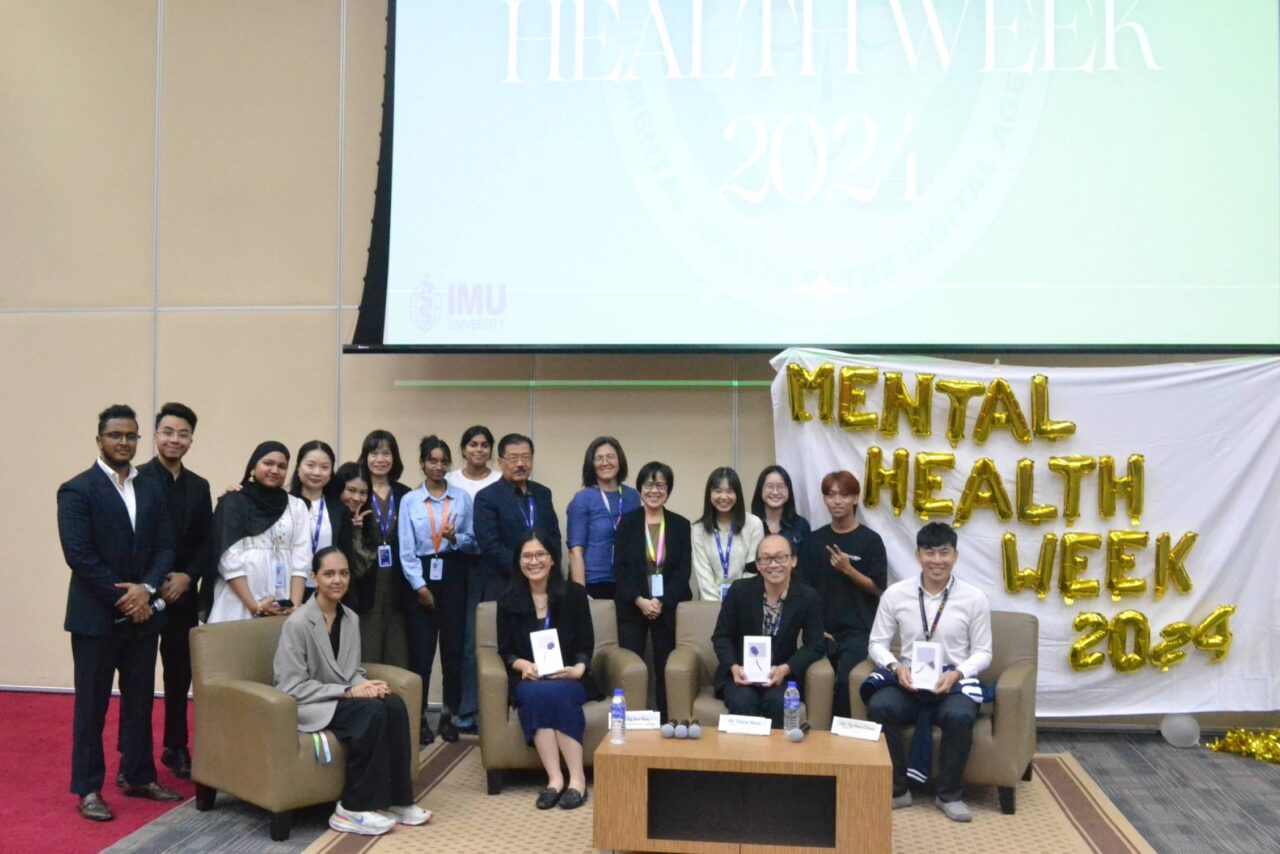
One of our yearly events is the popular Mental Health Week to promote Mental Health Awareness via Talks, Workshops, Seminars and currently through our Webinars and lunch chat. This is with the hope that with more awareness on Mental Health there would be less stigmatisation towards seeking for counselling.
IMU Peer Support Club is open to all IMU students, you can be part of the team and be a great support for the rest. For those who are interested to know more, you may click below.
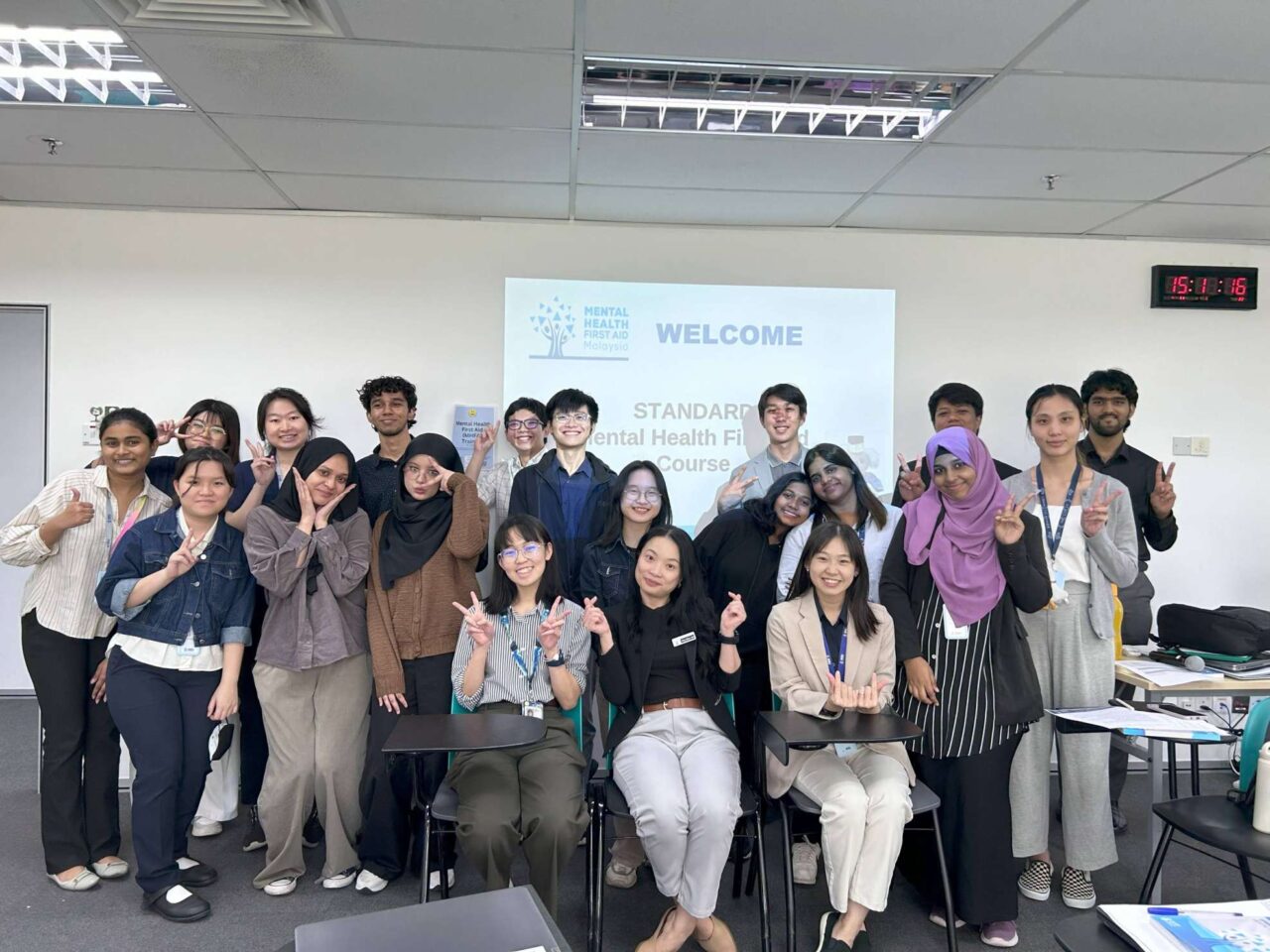
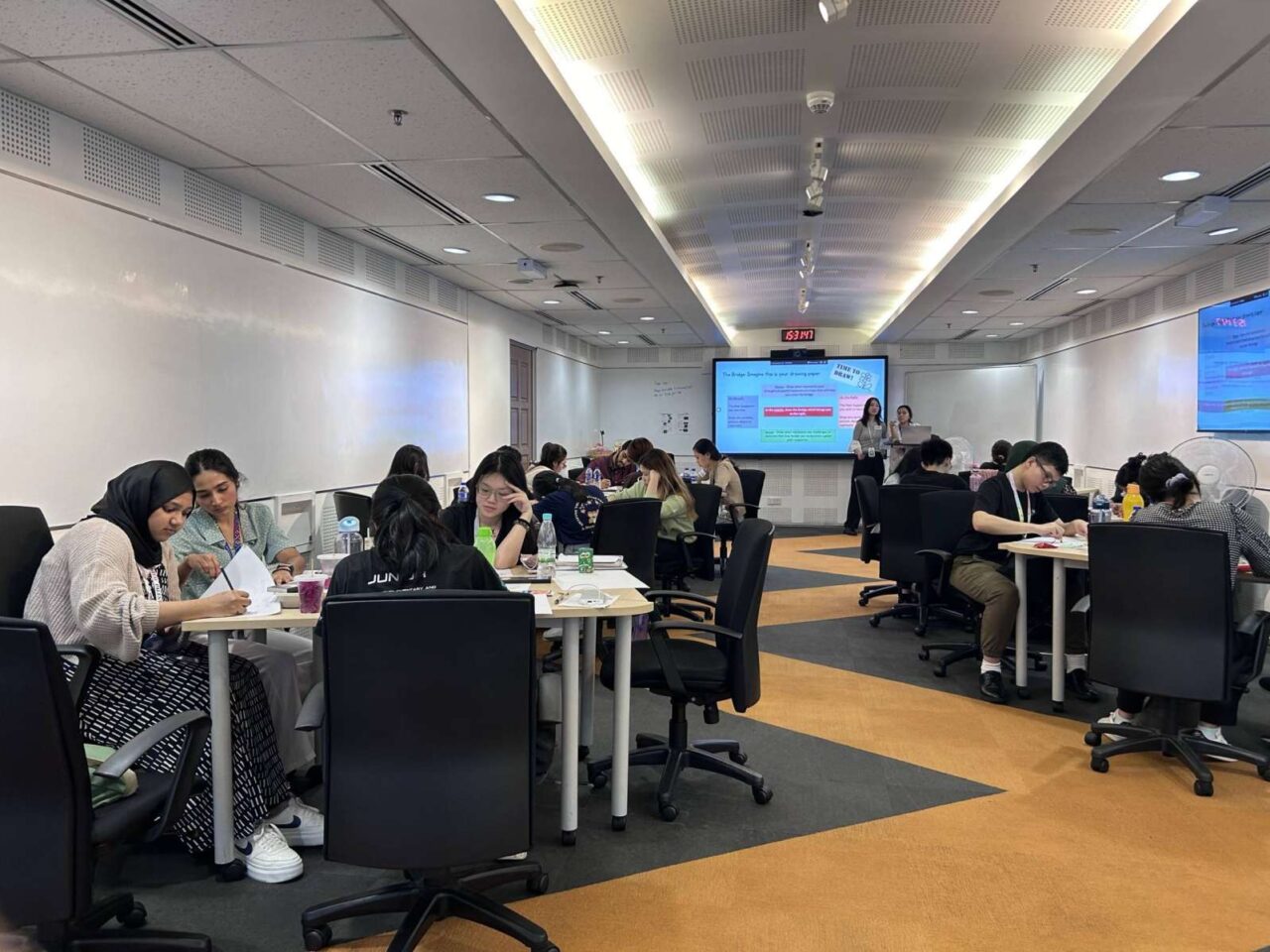
How to be a Peer Supporter

Talk2Me E-Mail Service
Need someone to talk to? You may email us to share with us your thoughts and feelings.
SCS Contact
| During Office Hours (within IMU Campus) | Student Counselling Services | 03-2731 7564 |
| Email Address | Main Campus & LiT Building | scs@imu.edu.my |
| Seremban Campus | scs_cc@imu.edu.my | |
| Batu Pahat Campus | scs_bp@imu.edu.my | |
| Kluang Campus | scs_klg@imu.edu.my |
Making An Appointment
Making an appointment today is a lot more convenient than before. We have initiated an online booking system to ease your time and energy.
After-Office-Hour Assistance
*Lifeline Association Malaysia Operating Hours: Mon-Fri: 9:30am-10:30pm; Sat: 2:30pm-5:30pm
Meet the Mental Health Professional

Ms Eng Qian Jun
Lead Counsellor
QianJunEng@imu.edu.my

Mr Wong Wai Kit
Senior Student Counsellor
WaiKitWong@imu.edu.my

Ms Carina Lai
Student Counsellor
Carina_Lai@imu.edu.my

Ms Cheng Eng Hui
Student Counsellor
EngHuiCheng@imu.edu.my

Mrs Phoong
(Tan Keat Hoon)
Student Counsellor
TanKeatHoon@imu.edu.my

Ms Helenna Maria Binti Hisham Hashim
Clinical Psychologist
HelennaMaria@imu.edu.my
Location Map
IMU Bukit Jalil Main Campus
IMU Technology Park Campus (LiT Block)
Intellect Application

Intellect Overview
Whether you’re having a good day, a rough one, or something in between, support is here for you as a student. With Intellect, you can take care of your mental wellbeing your way, from self-guided tools to one-on-one chats with someone who understands student life
Clinical Sessions
Sessions with Clinical Psychologists and Counsellors who provide treatment to help students improve their sense of wellbeing, alleviate feelings of distress, and resolve crises.
Some areas clinicians can support you in:
- Depression
- Trauma
- Chronic Insomnia
- Anxiety issues
- Eating disorders
- Grief & bereavement
Crisis Helpline
In-the-moment telephone call service for those in urgent distress to speak with professionals. Responders provide in-the-moment counselling, followed by referral to the appropriate resources.
Self-guided Tools



Get Started: Set Up Your Account With Single Sign-On (SSO)
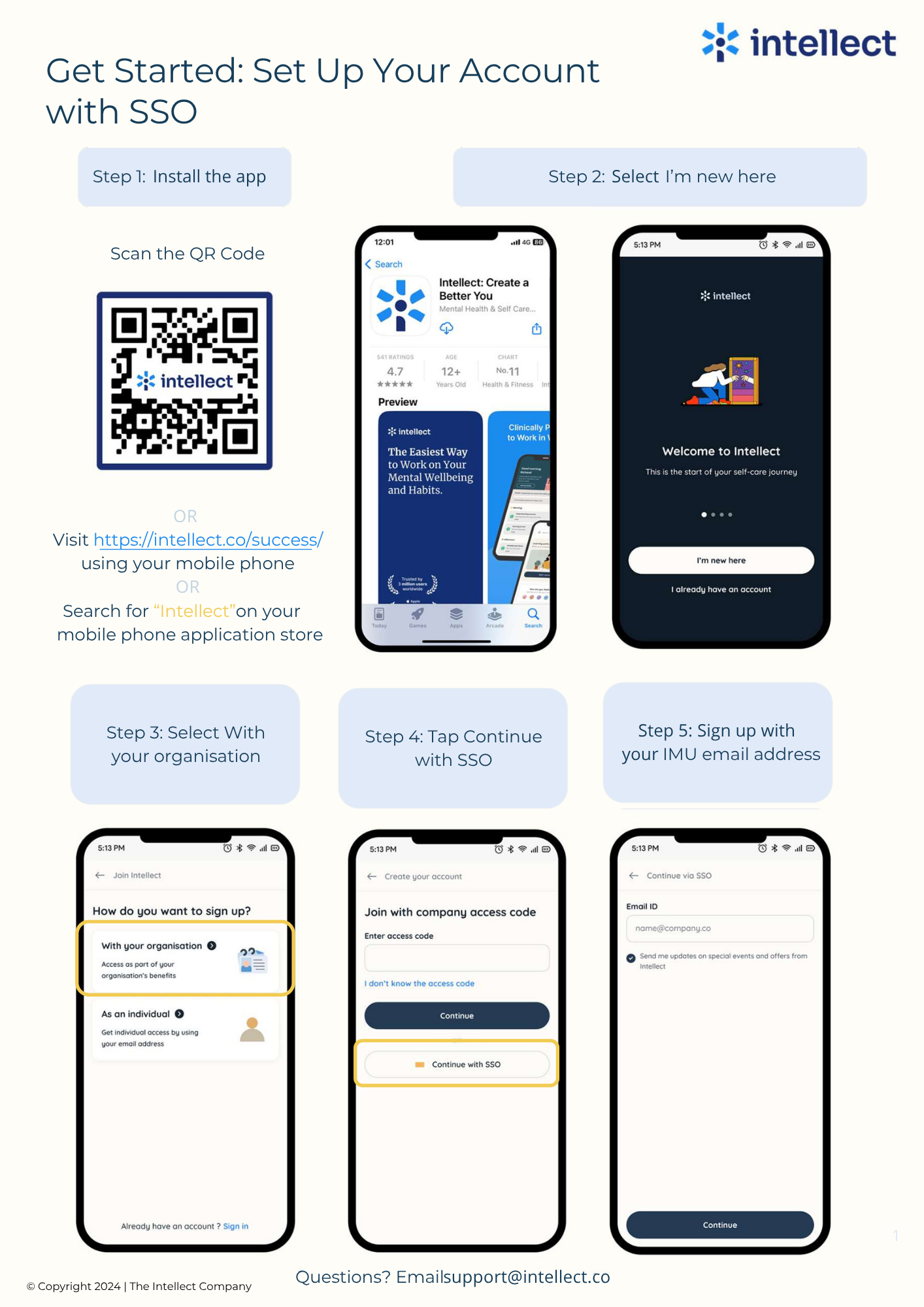

Install the app via Google Play or the Apple App Store
Select I’m new here
Select “With your organisation”
Tap Continue with SSO
Sign up with your IMU email address





Reach Out for More Information and Support


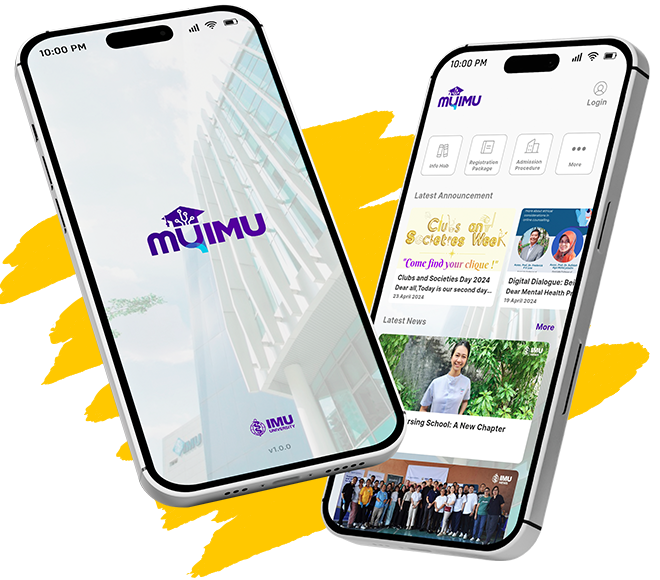
Gain further access with IMU mobile app
Download MyIMU App